

How to choose an industrial vacuum.
The right machine is the one matched to your material, your environment and your duty cycle — not the one with the biggest motor. Here is how to specify it.
On This Page

Last updated: July 2026
Introduction
Start with the job, not the machine
The most common specification mistake is starting with a spec sheet and comparing motor power. Power matters, but it rarely decides whether a machine is right for the job. What you are collecting, the environment you are collecting it in, and how hard the machine has to work are what should drive the choice.
Get those right and the specification — airflow, filtration, construction, power supply and any ATEX requirement — follows. This guide runs through the questions worth answering before you compare models.
Question One
What are you collecting?
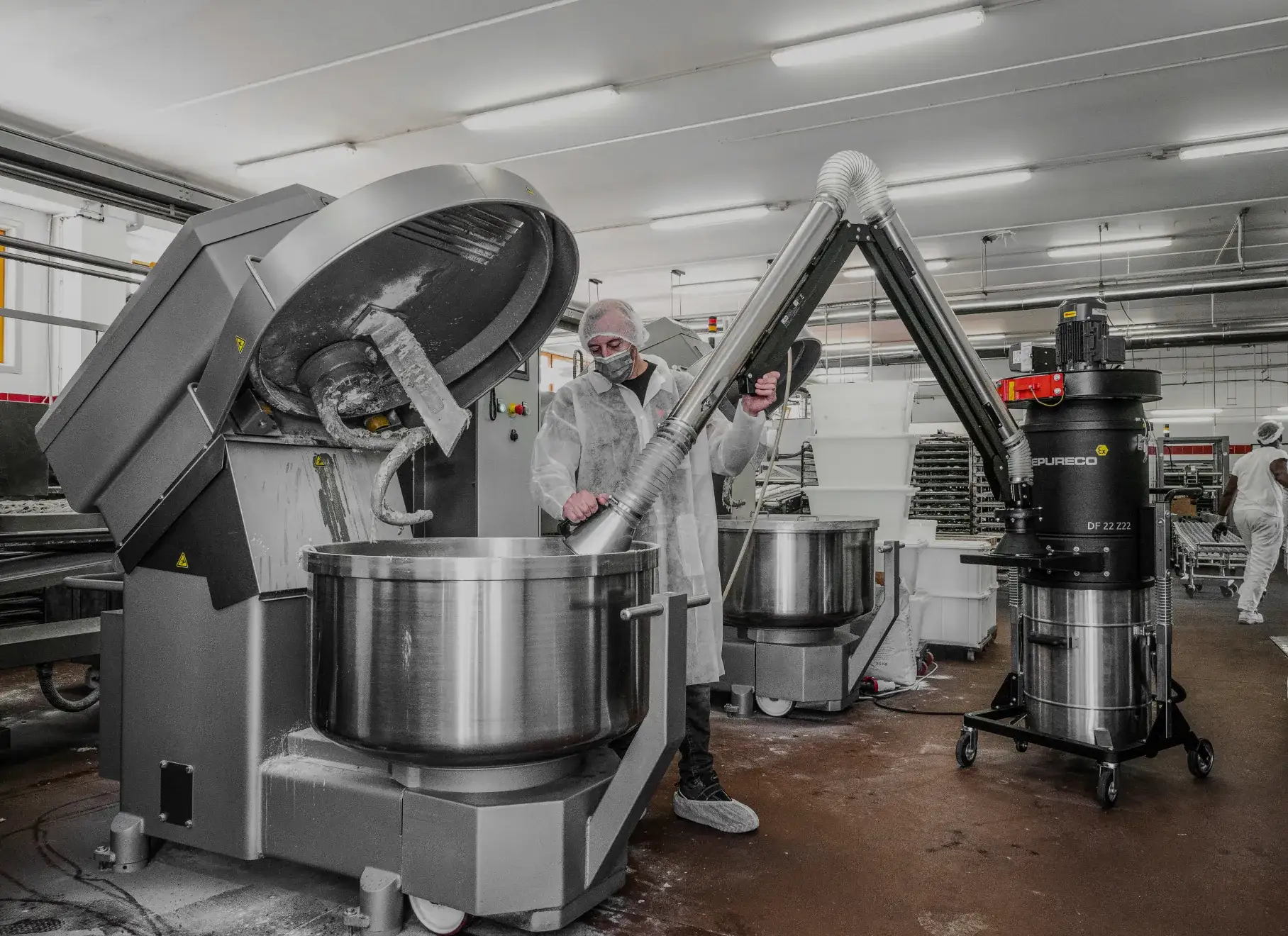
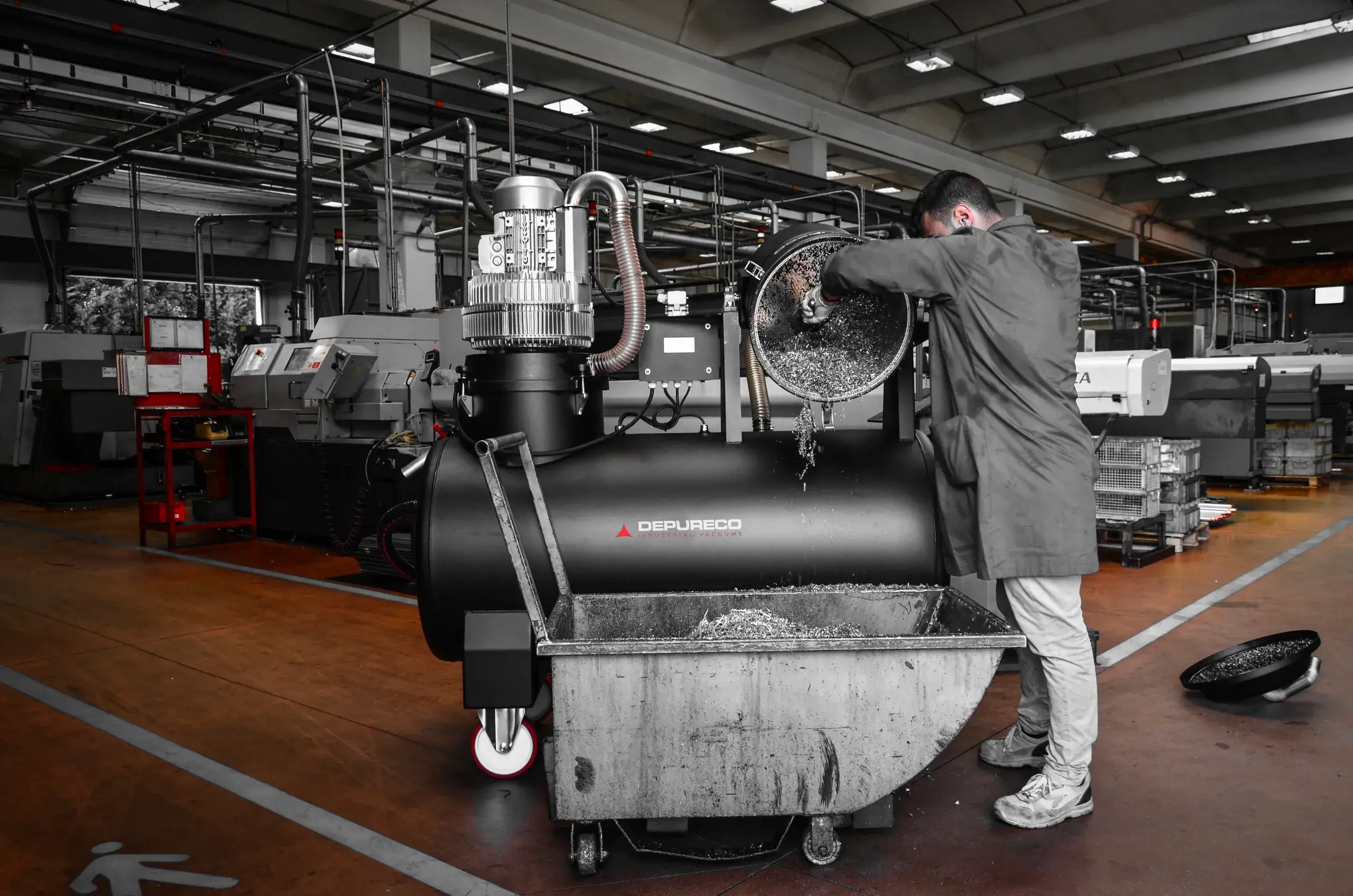
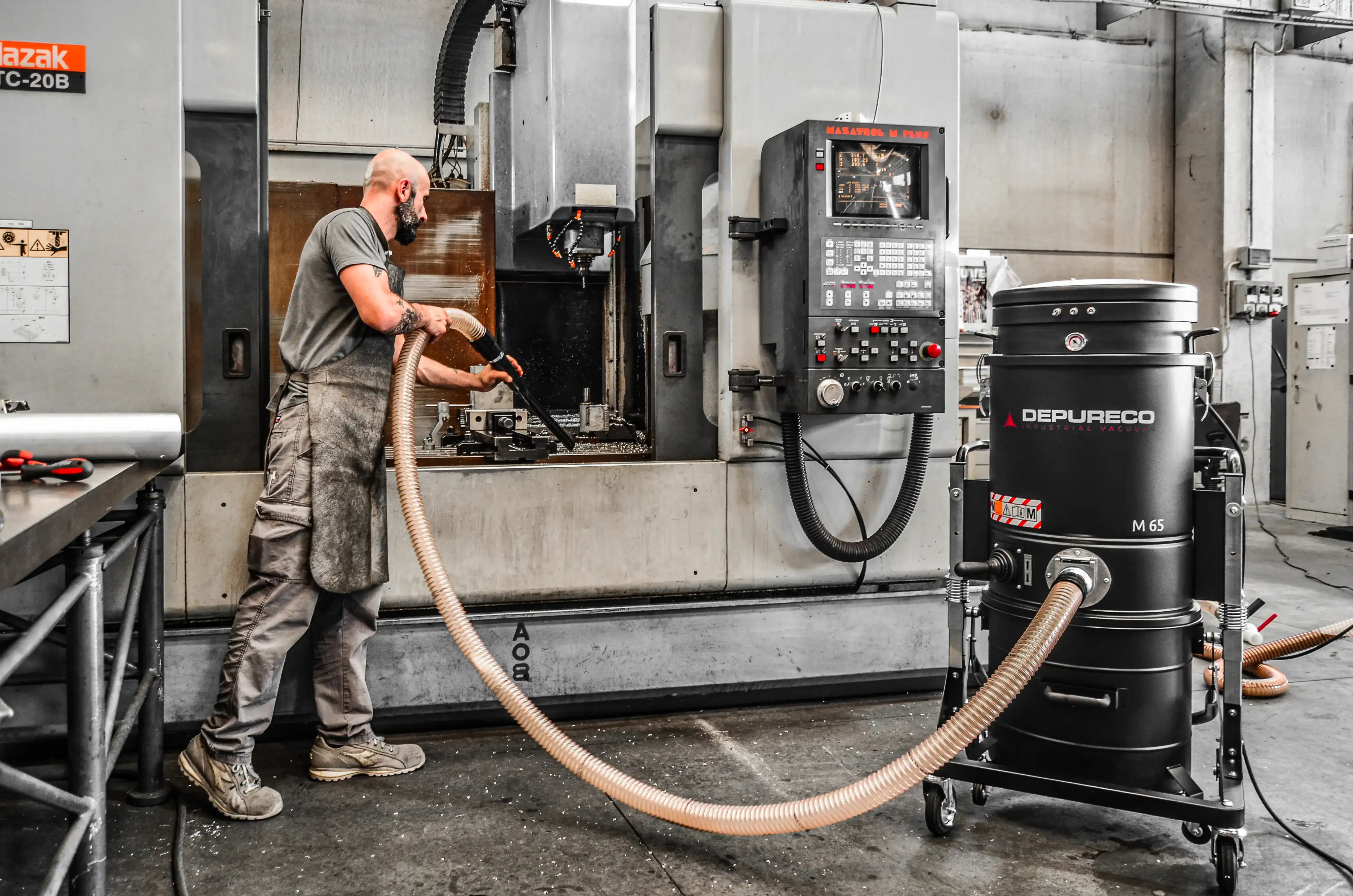
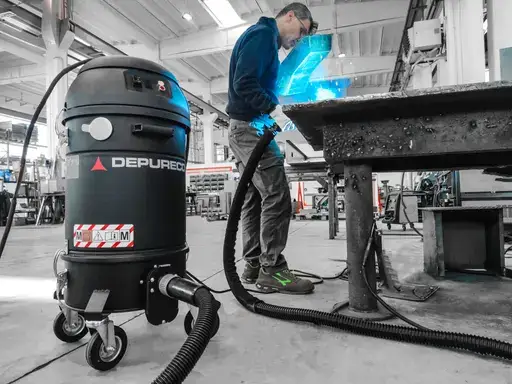
Dry dust and debris, fine or hazardous powder, liquids, oil and coolant, metal swarf, or combustible dust — each points to a different type of machine and a different filter. Fine powders need a higher filtration class; liquids and swarf need the right separation and a suitable container; combustible dust needs equipment built for the risk.
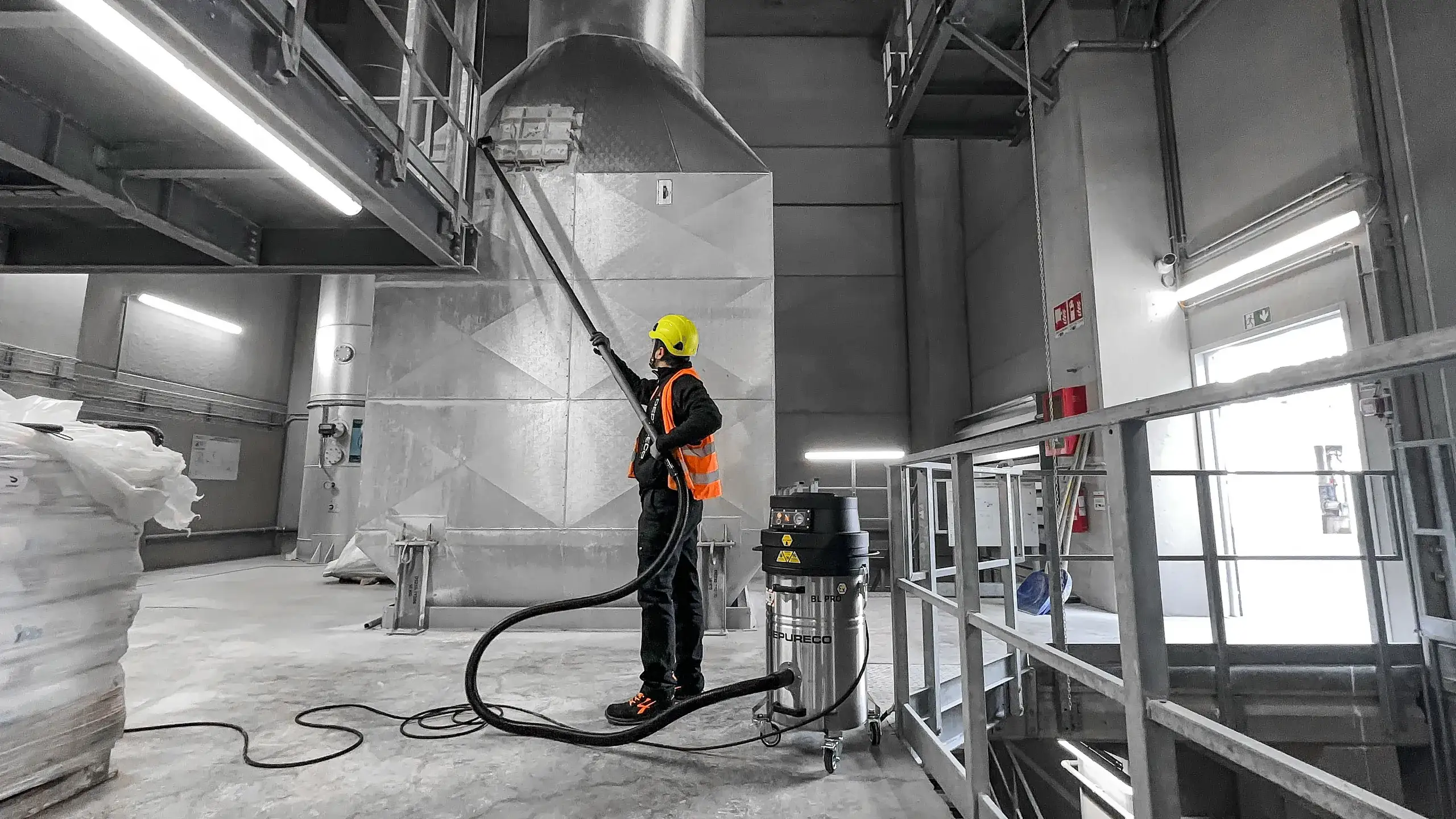
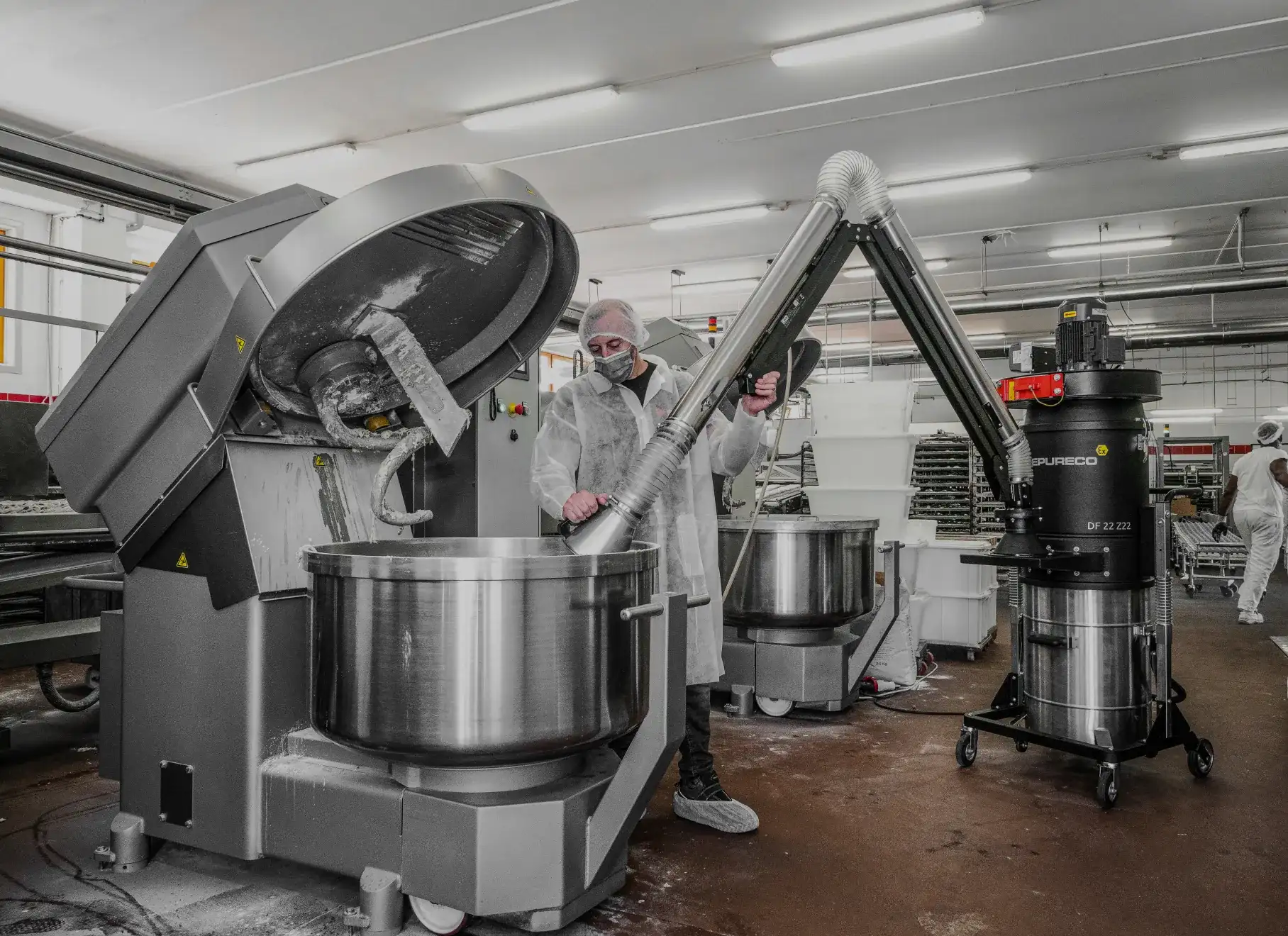
If the material is combustible — fine powders, flour, sugar, wood dust or many metal dusts can be — the choice becomes a safety and compliance decision, not just a cleaning one.
Question Two
Where will it work — and how hard?
A hazardous area classified under DSEAR needs equipment certified for its zone. A food or pharmaceutical environment needs hygienic construction and the right filtration. And a machine on continuous production duty needs a different build — usually three-phase — from one used occasionally on a standard single-phase supply.
Duty cycle and power supply are easy to overlook and expensive to get wrong: a light machine run continuously will not last, and a three-phase machine is no use where there is only single-phase power.
A Starting Point
Matching the machine to the job.
A rough guide to where to look — a proper specification still depends on your material, volume and environment.
Common Mistakes
Mistakes worth avoiding.
The patterns we see most often when a machine turns out to be the wrong fit.

Choosing by motor power alone.
Airflow, filtration, construction and duty cycle usually matter more than raw power.
Ignoring combustible dust risk.
If the dust can be combustible, the area may need certified equipment — check before you buy, not after.
The wrong filter class.
Hazardous and fine dusts need Class M or H filtration; a general filter is not enough.
Buying from a reseller, not the maker.
The manufacturer can specify against your actual application and stands behind the parts and support.
Why It Matters
Specify with the manufacturer
Depureco has designed and built industrial vacuums in Italy since 1972. Buying direct from the manufacturer means the machine is specified against your real application, backed by genuine parts held in the UK, and supported by the people who build it — which is exactly what you want when the choice carries compliance and cost over years of service.
Your Application
Tell us the job. We will specify the machine.
Send us what you are collecting, your volumes, your duty cycle and any DSEAR requirements, and the Depureco UK team will recommend a machine and a quote.