

ATEX Zone Classification Guide.
A plain-English guide to ATEX and DSEAR for combustible dust — what the dust zones mean, why Zones 20 and 22 matter, and how to specify a compliant industrial vacuum.
On This Page
Last updated: June 2026
Introduction
Choosing the wrong vacuum in a hazardous area is not just a cleaning issue.
In environments where flammable gases, vapours, mists or combustible dust may be present, vacuum selection becomes a safety, compliance and operational decision. A standard industrial vacuum may not be suitable where an explosive atmosphere can occur.
This guide explains the ATEX zone classification system and how it can influence the type of industrial vacuum system required for a given environment.
ATEX Basics
What is ATEX?
ATEX refers to European regulations covering equipment and protective systems intended for use in potentially explosive atmospheres. These atmospheres may involve gases, vapours, mists or combustible dust.
For industrial vacuum buyers, ATEX classification matters because the vacuum system, filtration, construction, earthing and electrical components may need to be suitable for the zone and material being handled.
UK Compliance
ATEX and DSEAR in the UK
In the UK, the duty around explosive atmospheres sits under DSEAR — the Dangerous Substances and Explosive Atmospheres Regulations. DSEAR requires employers to assess the risk from flammable substances and combustible dusts, remove or reduce it, and classify any area where an explosive atmosphere may occur into zones.
That zone classification is what drives equipment selection: a vacuum used in a classified area has to be suitable for the zone and the material being handled. Choosing certified equipment is part of meeting your DSEAR duty — not a substitute for the assessment itself, which should be carried out by a competent person for your specific site.
Gas and Vapour Zones
Zones 0, 1 and 2.
Gas and vapour zones describe how likely it is that an explosive gas atmosphere will be present in an area.

Zone 0
Continuous presence
An explosive gas atmosphere is present continuously or for long periods.

Zone 1
Likely during normal operation
An explosive gas atmosphere is likely to occur during normal operating conditions.
Zone 2
Occasional exposure
An explosive gas atmosphere is not likely during normal operation and would only persist briefly.
Dust Zones
Zones 20, 21 and 22.
Dust zones describe the likelihood of a combustible dust cloud being present in sufficient quantity to create an explosive atmosphere.
Zone 20
Continuous dust atmosphere
Combustible dust is present continuously, frequently or for long periods.
Zone 21
Likely during operation
Combustible dust is likely to occur during normal operation.
Zone 22
Occasional dust exposure
Combustible dust is not normally present, but may occur occasionally and persist briefly.
Specification
How zone classification affects vacuum selection.
Zone classification is one part of specification. The material being collected, volume, duty cycle, filtration requirement and operating environment should all be considered before selecting a vacuum system.
Common Mistakes
Selection mistakes to avoid.
These are the patterns we see most often when buyers specify a vacuum for a hazardous or dusty environment.

Assuming all industrial vacuums are ATEX suitable.
Industrial strength does not automatically mean the machine is suitable for hazardous or explosive atmospheres.
Ignoring combustible dust risk.
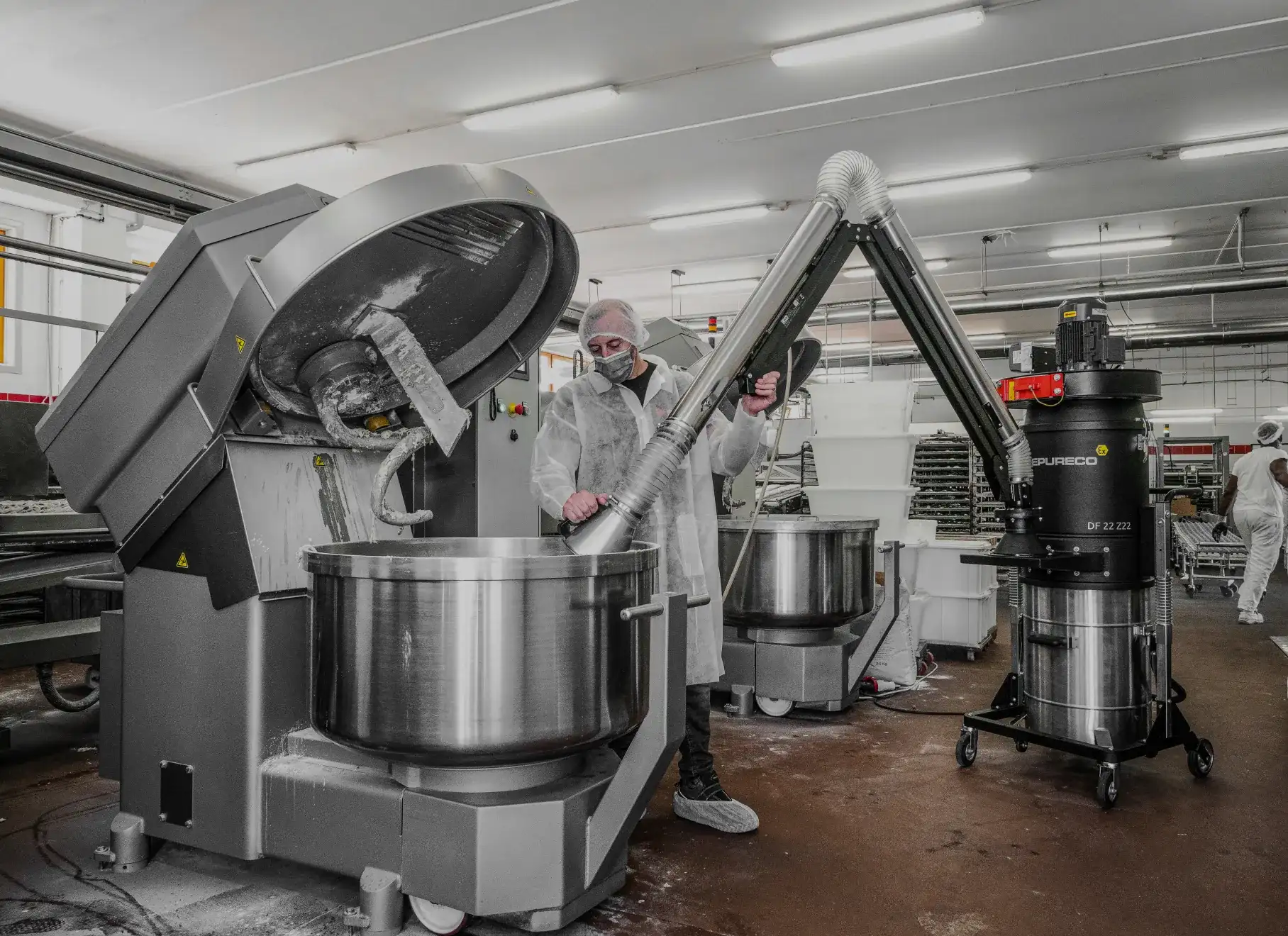
Fine powders, flour, sugar, wood dust and metal dust can create different risk profiles depending on the environment.
Choosing by power alone.
Airflow, filtration, construction, duty cycle and safety requirements can be more important than motor power.
Selecting equipment before assessing the environment.
Zone classification and material behaviour should inform the equipment choice, not the other way around.
Recommended Starting Points
Product categories to consider.
The right product category depends on the environment and material. These are starting points, not replacements for a proper specification discussion.
ATEX Vacuums
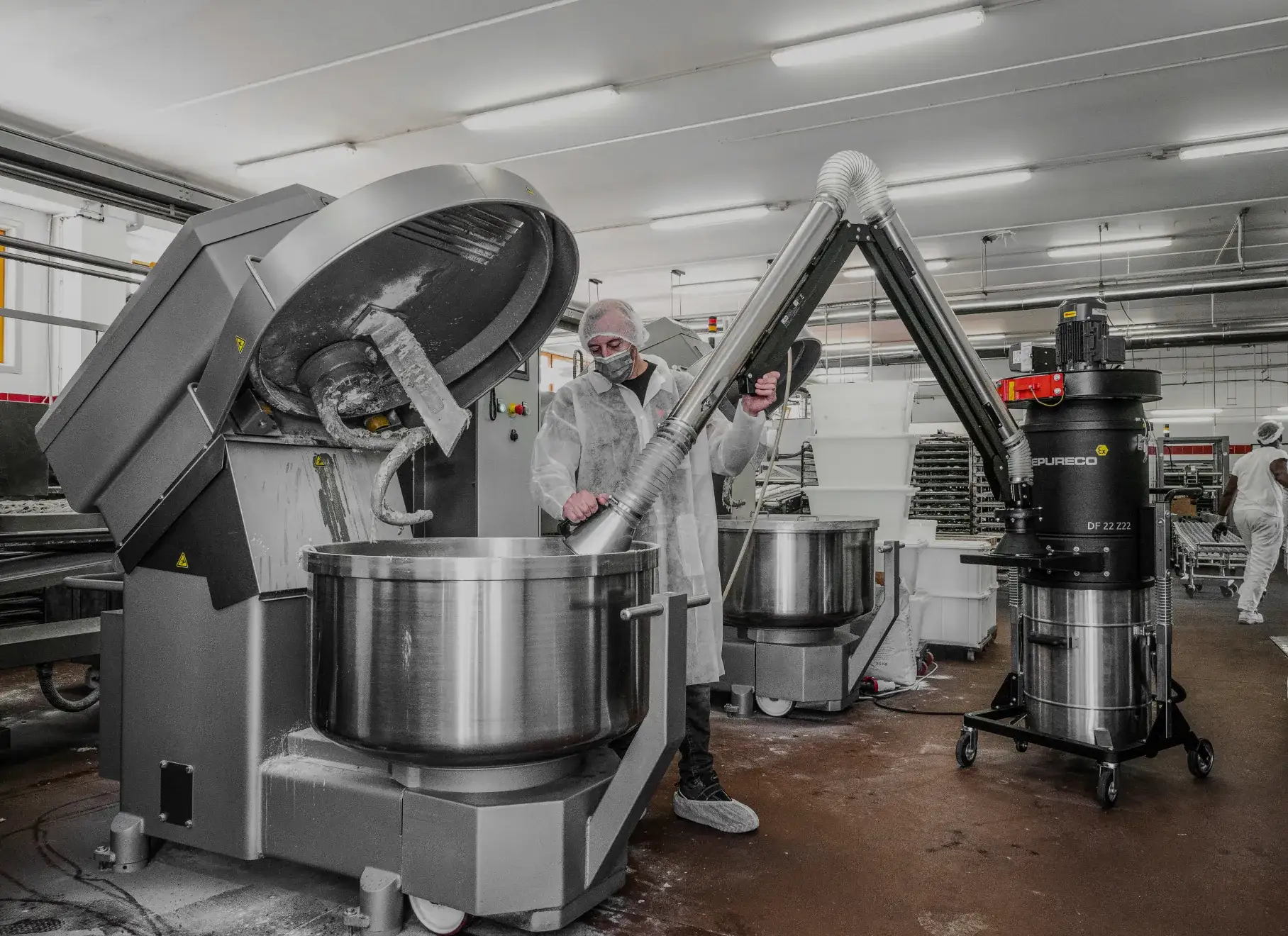
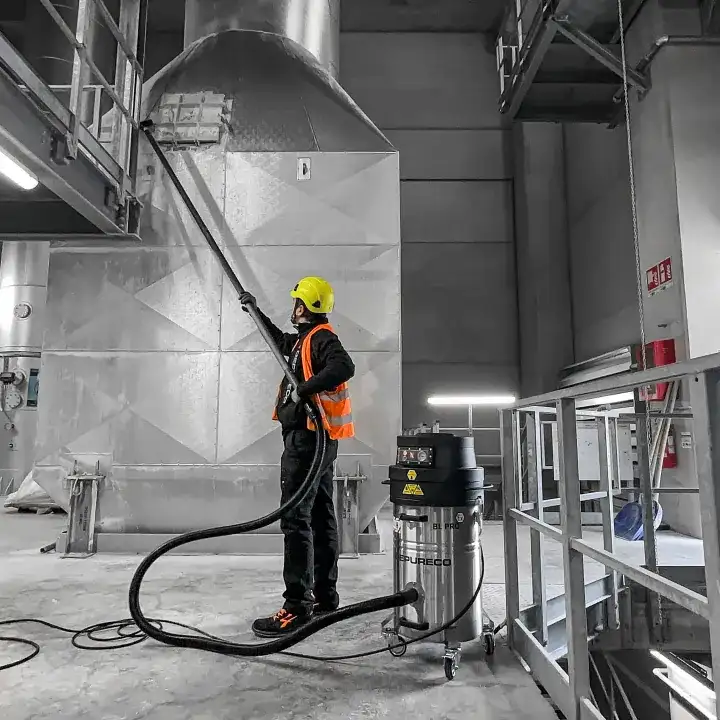
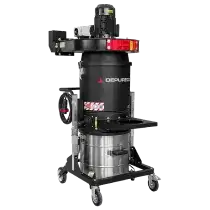
For classified hazardous areas and combustible dust — certified for Zones 20 and 22.

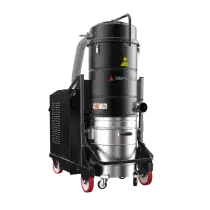
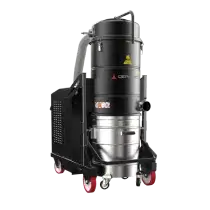
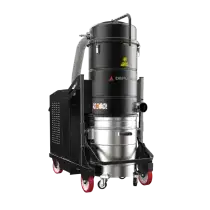
ACD Industrial Vacuums
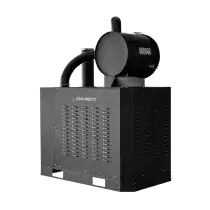
For combustible dust in non-ATEX classified areas where safer collection is required.
Industrial Vacuums
For general industrial dust, debris and production cleaning tasks.
Centralised Systems
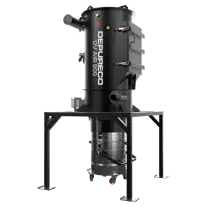
For larger production environments with multiple extraction points.
What is the difference between Zone 21 and Zone 22?
Both are combustible-dust zones. In Zone 21 a dust cloud is likely to occur during normal operation; in Zone 22 it is not normally present and would only occur occasionally and persist briefly. The zone affects the level of equipment protection required.
Do all flour handling environments require ATEX equipment?
Not automatically. Flour is a combustible dust, but the requirement depends on how likely an explosive dust atmosphere is in that area — which is what the zone classification captures. A DSEAR/ATEX assessment of the specific environment should guide the decision.
Can an ACD vacuum replace an ATEX-certified system?
No. ACD vacuums are intended for combustible dust in areas that are not ATEX-classified, where safer collection is wanted. Where an area is classified as an ATEX zone, equipment suitable for that zone is required.
How do I know which zone applies?
Zone classification comes from a hazardous-area assessment (under DSEAR in the UK) that considers how likely and how long an explosive gas or dust atmosphere is present. It should be carried out by a competent person for your specific site and process.
What should I send you to get a recommendation?
A short description of the environment, the material being collected, the volume and duty cycle, and any known ATEX or DSEAR requirements. That is enough for the Depureco UK team to suggest a suitable starting point.
Need Help?
Need help identifying the right ATEX solution?
Tell us about your environment, material, duty cycle and any known ATEX or DSEAR requirements. The Depureco UK team can help identify the correct starting point.