

Vacuums for silica and construction dust.
Respirable crystalline silica is one of the most serious dust hazards on site. Here is how the right M- or H-class vacuum helps you control it — and meet COSHH.
On This Page

The Risk
Respirable crystalline silica
Cutting, grinding, drilling or polishing concrete, stone, brick and many composites releases respirable crystalline silica (RCS) — fine enough to reach deep into the lungs and a recognised cause of silicosis and lung cancer. HSE sets a workplace exposure limit for RCS of 0.1 mg/m³ over an eight-hour day, and controlling exposure is a COSHH duty.
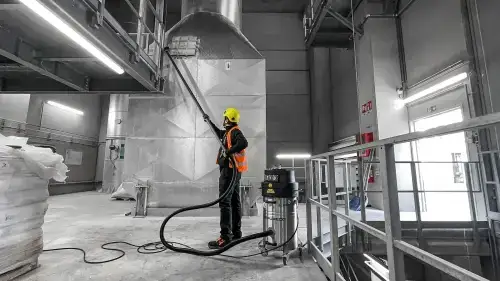
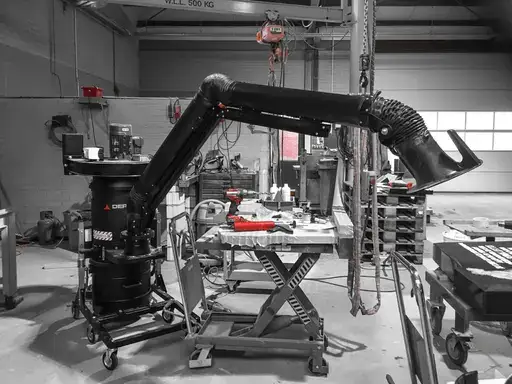
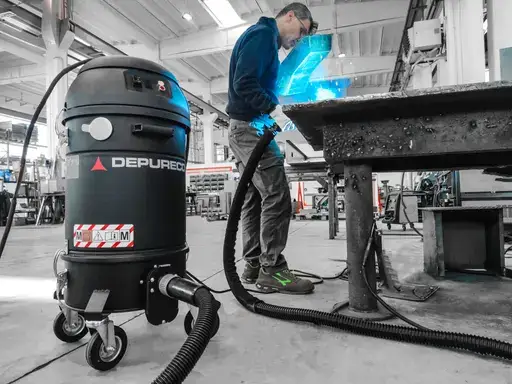
The most effective control is to capture the dust at the point it is created — on-tool extraction (LEV) paired with a vacuum rated for the dust — rather than letting it become airborne and sweeping up afterwards.
Specification
Why an M-class dust extractor is the minimum for silica
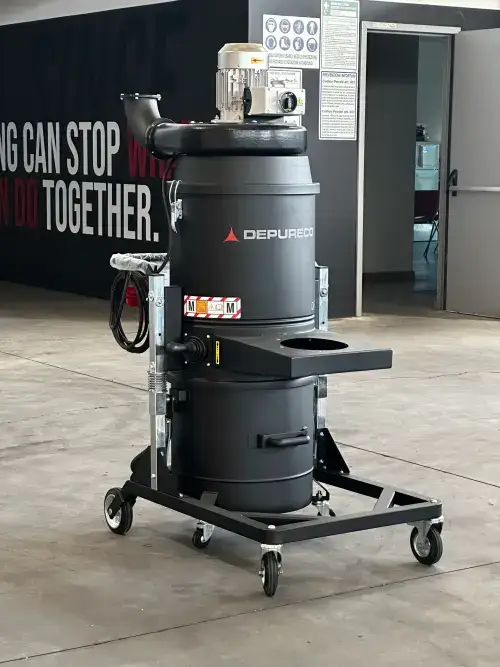
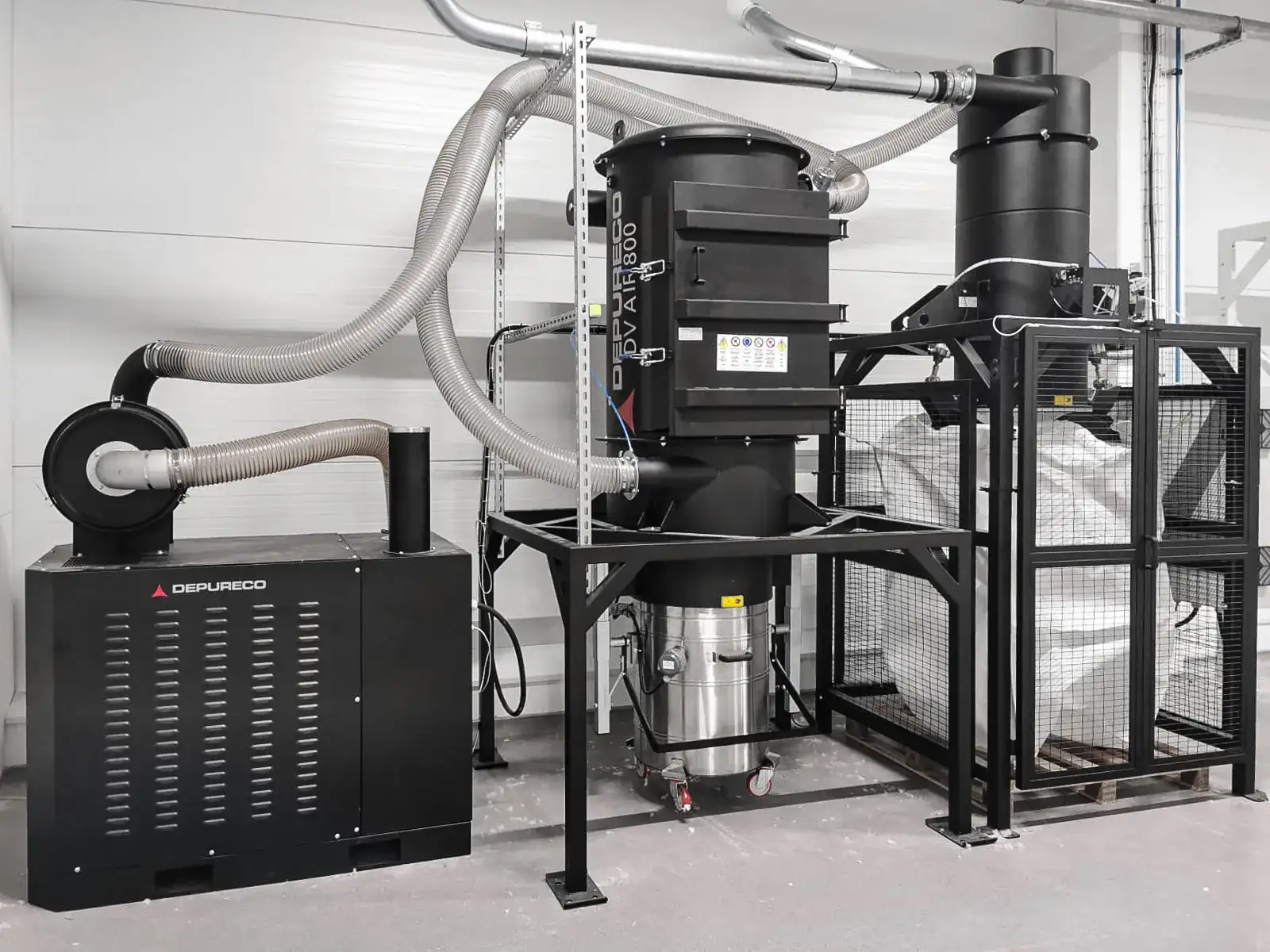
Industrial vacuum filtration is graded by class under BS EN 60335-2-69. For respirable crystalline silica, an M-class dust extractor (Class M filtration) is the practical minimum; for the highest-hazard work, Class H (HEPA H13/H14) gives the greatest protection. Just as important is how the dust leaves the machine: contained, low-exposure disposal — such as a Longopac continuous liner — keeps operators away from the collected dust.
A Starting Point
Matching the vacuum to the task.
A rough guide — the right specification still depends on your task, volume and how the dust is generated.
Your Application
Controlling silica dust?
Tell us the task, the tools you use and your typical exposure, and the Depureco UK team will specify an M- or H-class machine and the right disposal.